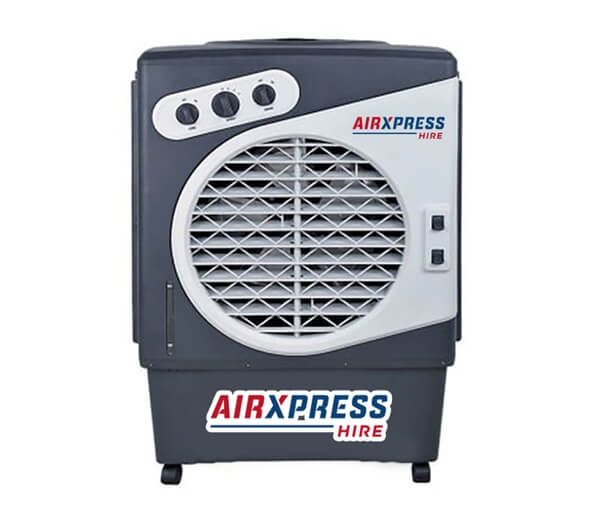

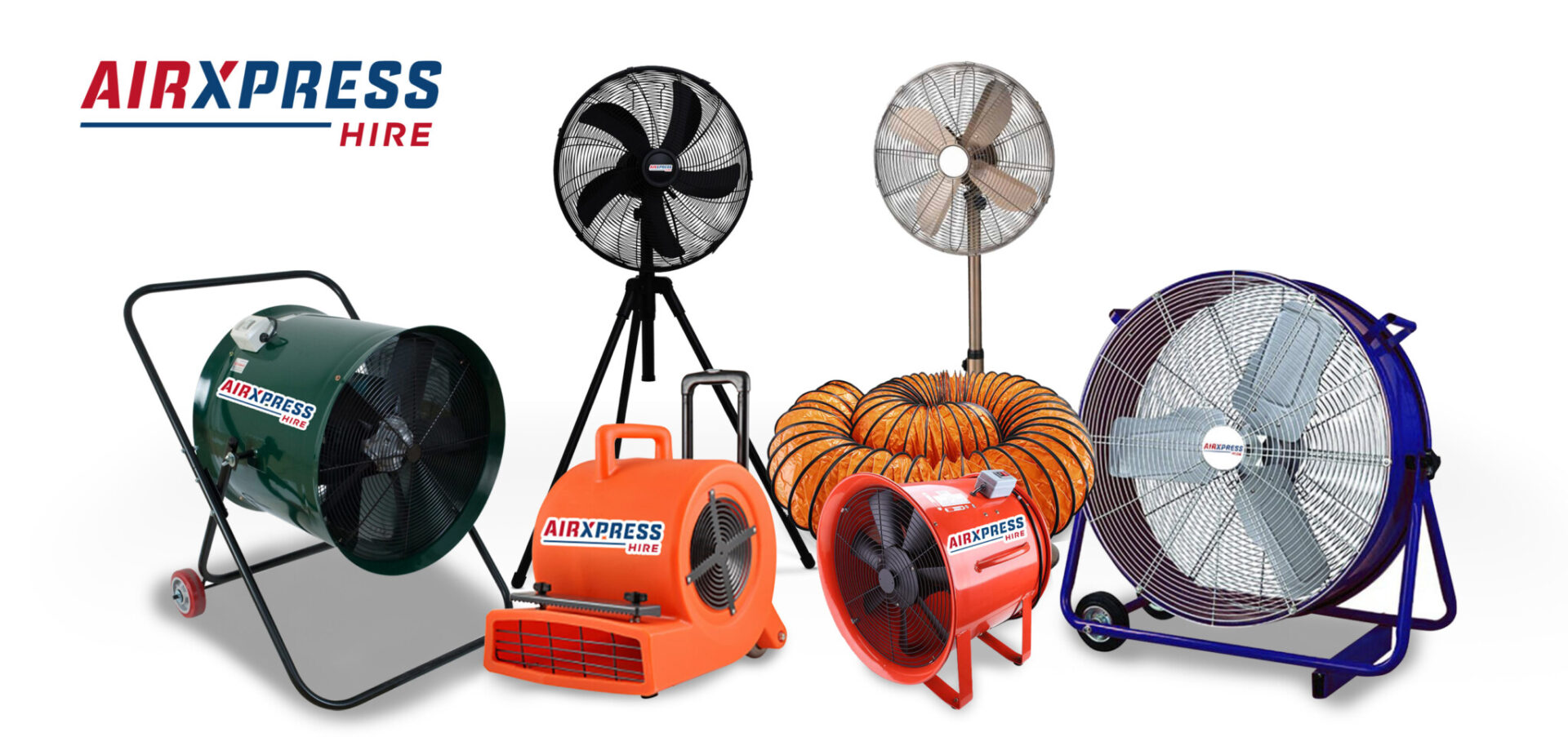

A portable air conditioner is a self-contained cooling unit that can be moved between rooms or locations without permanent installation. It draws warm air from the space, removes heat through a refrigeration cycle, and returns cooled air while exhausting heat outside. Portable ACs are commonly used for temporary, emergency and targeted cooling.
A Smart Cooling Solution When You Need It Most
Walk into a hot office, warehouse or event space and the problem is obvious. The air feels uncomfortable, equipment may start running hotter, and working conditions can quickly become difficult.
Traditional air conditioning systems can take time to install, but cooling is sometimes needed immediately. That is where portable air conditioners can help.
That’s where portable air conditioners come in.
Portable AC units provide fast, flexible, and cost-effective cooling without the need for permanent installation. Whether you’re managing a commercial building, organising an event, or dealing with an unexpected HVAC breakdown, they offer an immediate solution.
AirXpress Hire provides portable air conditioning and temporary cooling equipment for businesses, events and other applications across Sydney, Brisbane, Queensland and Australia’s east coast.
In this guide, we’ll explain:
What a portable air conditioner is
How portable AC units work
The different types available
When hiring one makes the most sense
What Is a Portable Air Conditioner?
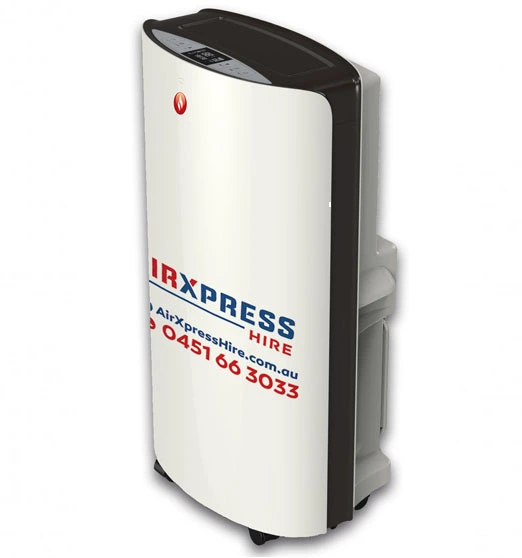
A portable air conditioner is a self-contained cooling system designed to cool a room or specific area without permanent installation.
Unlike wall-mounted or ducted systems, a portable unit:
Sits on the floor
Runs on standard power outlets
Uses wheels for easy movement
Vents hot air through a flexible exhaust hose
Portable ACs draw warm air from the room, remove heat from it and return cooled air to the space. The heat is then discharged outside through the exhaust system.
Cooling capacity is generally measured in kilowatts (kW) or BTUs. The right capacity depends on more than floor area. Ceiling height, insulation, occupancy, equipment and heat entering the space can all affect cooling requirements.
Typical examples include:
| Cooling Capacity | Suitable For |
|---|---|
| 5–6 kW | Offices, meeting rooms, bedrooms |
| 7–10 kW | Retail stores, classrooms, medium spaces |
| 10–14 kW+ | Warehouses, server rooms, industrial areas |
Australia’s Energy Rating guidance also highlights cooling capacity as an important factor when comparing air conditioners.
Choosing the correct capacity is essential for effective cooling — which is why many businesses choose to hire top equipment from specialists like AirXpress Hire.
How Does a Portable Air Conditioner Work?
Portable air conditioners use the same refrigeration cycle as standard air conditioning systems.
Inside the unit, a refrigerant absorbs and releases heat as it changes between liquid and gas.
The Cooling Process Step by Step
1. Warm air enters the unit
A fan pulls warm room air through an intake grille.
2. Heat is absorbed by the refrigerant
The air passes over a cold evaporator coil containing refrigerant, which absorbs heat and cools the air.
3. Cool air returns to the room
The cooled air is blown back into the space through the outlet vent.
4. Heat is expelled outside
The absorbed heat moves to the condenser coil and is expelled through the exhaust hose.
5. The cycle repeats continuously
The refrigerant returns to liquid form and the cooling process continues.
Why Ventilation Matters
The exhaust hose needs to direct hot air outside the room, usually through a suitable window, door opening or approved venting arrangement.
If that hot air is released back into the room, the unit is effectively putting some of the removed heat back into the space. This can reduce cooling effectiveness.
If the hot air isn’t properly vented, the unit will recirculate heat, reducing its cooling efficiency.
Built-In Dehumidification: An Extra Benefit
Most modern portable air conditioners also remove excess moisture from the air while cooling.
This is particularly helpful in humid environments because:
Lower humidity makes rooms feel cooler
It improves comfort and air quality
It helps protect electronics and equipment
Depending on the unit, moisture may be:
Collected in a drain tank
Drained continuously through a hose
Evaporated automatically through the exhaust
Single Hose vs Dual Hose Portable Air Conditioners
Portable AC units generally come in two configurations, and the difference affects cooling efficiency.
Single Hose Systems
Single-hose units:
Draw air from inside the room
Use it in the cooling process
Vent it outside through one exhaust hose
This can create negative pressure, meaning warm air may be pulled in from nearby spaces.
They work best for:
Small rooms
Offices
Temporary residential cooling
Dual Hose Systems
Dual-hose units use:
One hose to pull outside air in
One hose to expel hot air
This prevents negative pressure and significantly improves efficiency.
Dual-hose units are ideal for:
Warehouses
Server rooms
Large commercial spaces
Event venues
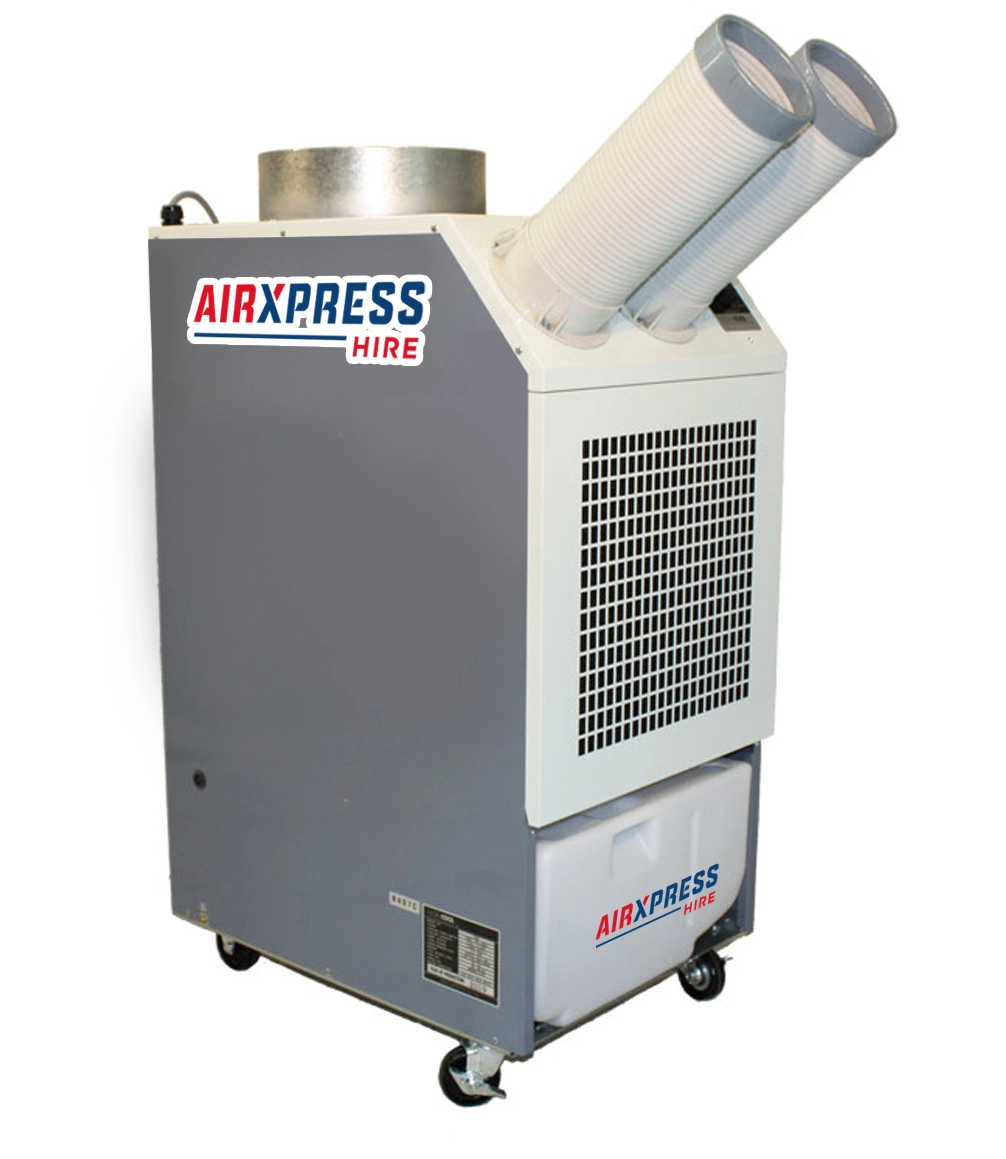
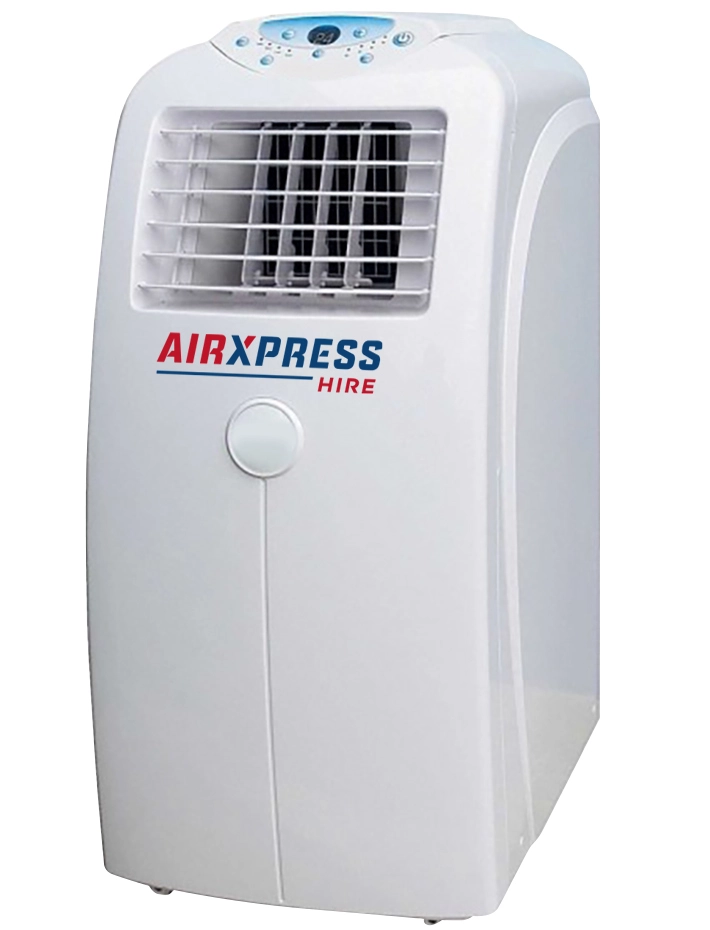
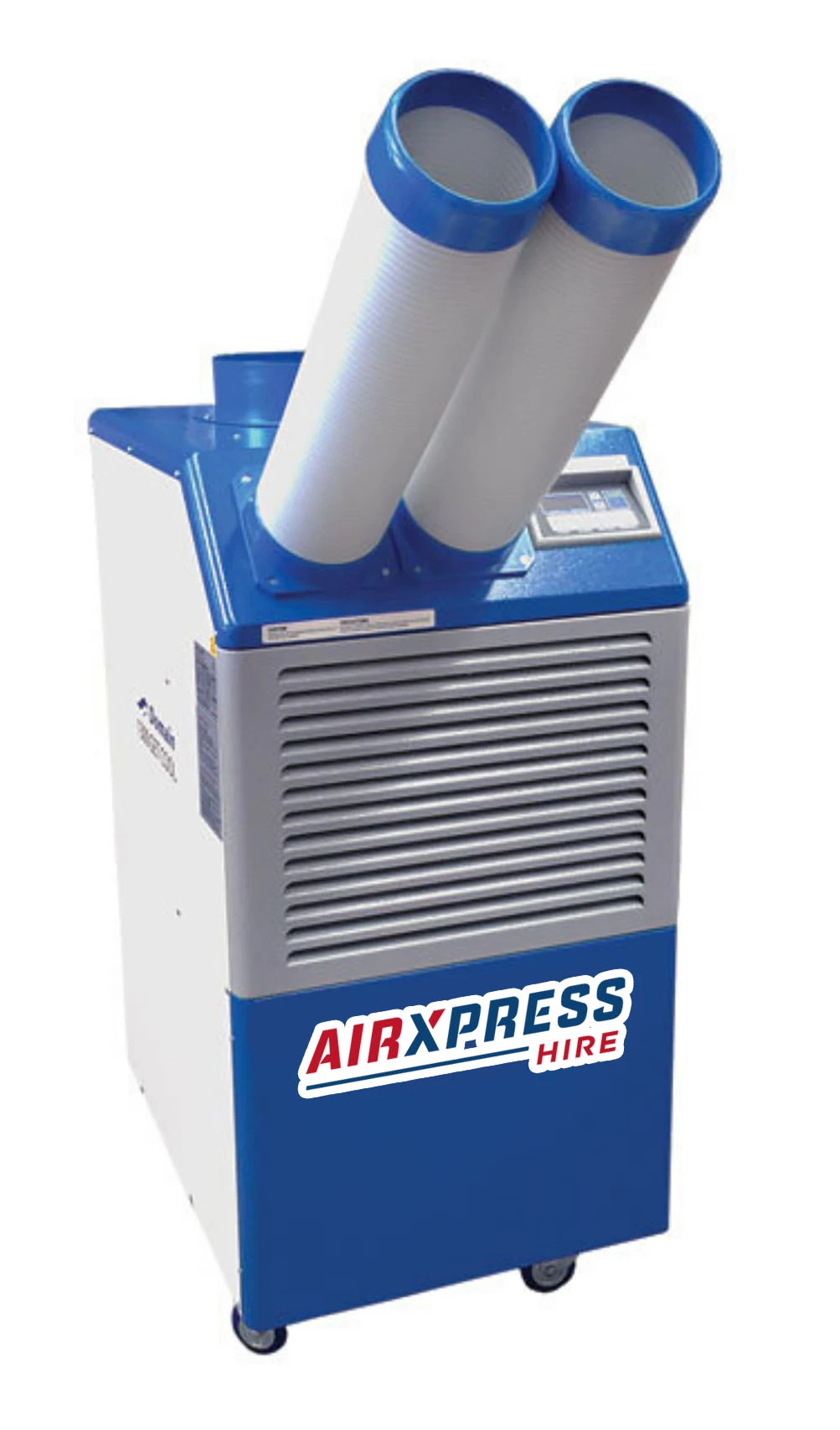
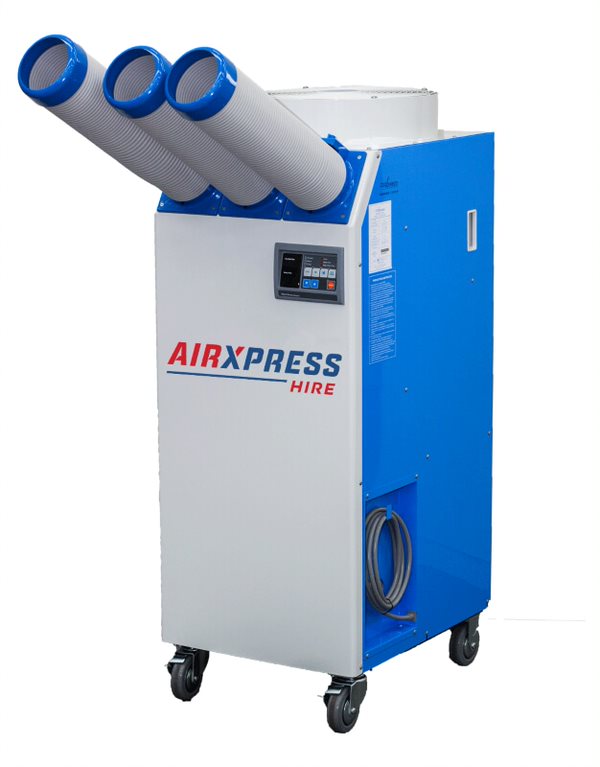
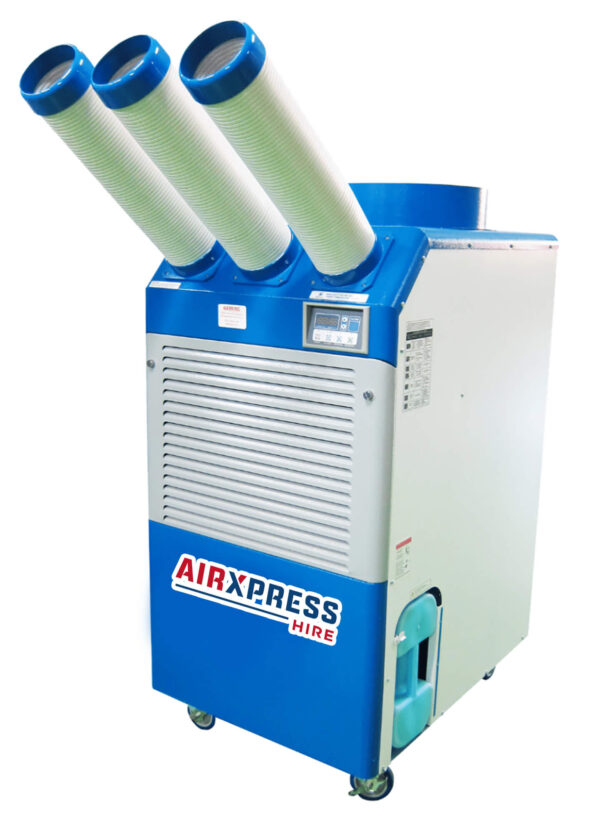
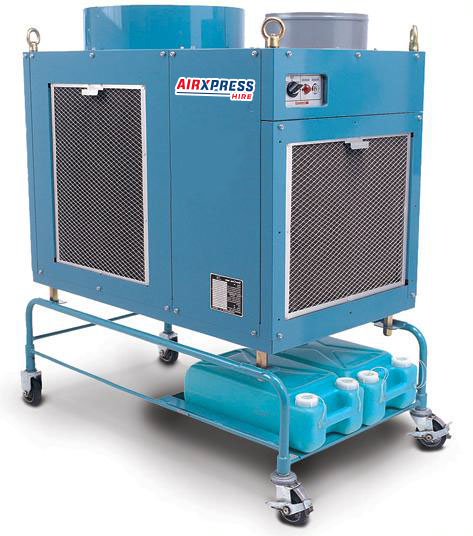
For demanding environments, commercial systems supplied by AirXpress Hire are typically dual-hose or packaged units designed for high-performance cooling.
Key Features to Consider When Hiring a Portable AC
Not all portable air conditioners deliver the same performance. Choosing the right unit involves several factors.
Cooling Capacity
Measured in kW or BTU, capacity determines how effectively a unit can cool a space.
Factors influencing the required capacity include:
Room size
Ceiling height
Insulation
Number of occupants
Heat-producing equipment
Noise Levels
Measured in decibels (dB), noise is important in:
Offices
Hospitals
Studios
Schools
Commercial units are engineered to balance cooling power and quiet operation.
Drainage System
Portable ACs may use:
Internal tanks
Continuous drainage
Auto-evaporation
Continuous drainage is best for long-term or high humidity environments.
Controls and Thermostat
Modern units often include:
Digital temperature control
Programmable timers
Remote operation
These features improve energy efficiency and convenience.
Mobility and Setup
Look for units with:
Heavy-duty castor wheels
Compact footprints
Flexible venting options
This allows fast repositioning without disrupting operations.
.
Where Portable Air Conditioners Are Commonly Used
Portable ACs can be useful in a range of settings, including:
- Offices and commercial spaces
- Server rooms and data centres
- Healthcare facilities
- Construction sites
- Events and exhibitions
- Schools and classrooms
- Retail stores
They are particularly useful when cooling is needed for a specific area rather than an entire building.
Hiring vs Buying a Portable Air Conditioner
For short-term cooling requirements, hiring can be a practical alternative to purchasing equipment.
Why Hiring Can Make Sense
- Lower upfront commitment: You avoid purchasing equipment for a temporary requirement.
- Less storage responsibility: There is no need to store the unit once the project ends.
- Flexible equipment options: Different capacities can be selected depending on the application.
- Maintenance arrangements: Hiring avoids the longer-term maintenance responsibilities that come with ownership.
- Temporary or emergency cooling: Equipment can be used while permanent HVAC repairs or installations are underway.
AirXpress Hire supplies portable AC units and other temporary cooling equipment for commercial, industrial, event and residential applications.
Tips to Get Better Cooling Performance
A few simple steps can help a portable AC work more effectively:
- Keep doors and windows closed where practical.
- Seal gaps around the exhaust hose.
- Keep the exhaust hose as short and straight as possible.
- Position the unit so air can circulate freely.
- Clean or maintain the air filter as recommended.
- Avoid placing the unit directly beside major heat sources.
Correct setup matters just as much as the unit’s cooling capacity.
Portable Air Conditioner Hire for Temporary Cooling
When cooling is needed quickly, choosing equipment that matches the space and operating conditions is important. AirXpress Hire provides portable air conditioners and other temporary cooling options for commercial, industrial, residential and event applications.
The portable air conditioner hire range includes different capacities for varying cooling requirements, while temporary cooling solutions can be considered when a larger or more specialised setup is needed.
FAQs
Do portable air conditioners really cool a room?
Yes. Portable ACs use refrigeration to remove heat from indoor air and discharge it outside. Performance depends on the unit’s capacity, room conditions and correct exhaust setup.
Do portable air conditioners need to be vented outside?
Yes. The heat removed from the room needs to be discharged outside through a suitable exhaust arrangement. Releasing hot exhaust back into the cooled space reduces effectiveness.
How big of a room can a portable air conditioner cool?
It depends on the unit’s capacity and the conditions inside the space. Room size, ceiling height, insulation, occupancy and heat-producing equipment can all affect the required capacity.
Are portable air conditioners expensive to run?
Running costs vary with the unit, capacity, electricity rate and operating time. Choosing an appropriately sized unit and keeping the cooled area reasonably sealed can help avoid unnecessary energy use.
Is it better to hire or buy a portable air conditioner?
For temporary cooling, emergencies or short-term projects, hiring avoids the upfront cost and storage of purchasing equipment. Buying may make more sense when the unit will be used regularly over a longer period.
Final Thoughts
A portable air conditioner can provide practical cooling when permanent air conditioning isn’t available or suitable. The key is choosing a unit that matches the space and conditions.
Capacity, exhaust setup, drainage, noise and power requirements all affect how well a portable AC performs. Correct positioning and installation are equally important.
For short-term requirements, hiring can also avoid the cost and responsibility of purchasing, storing and maintaining equipment after the cooling need has ended.